
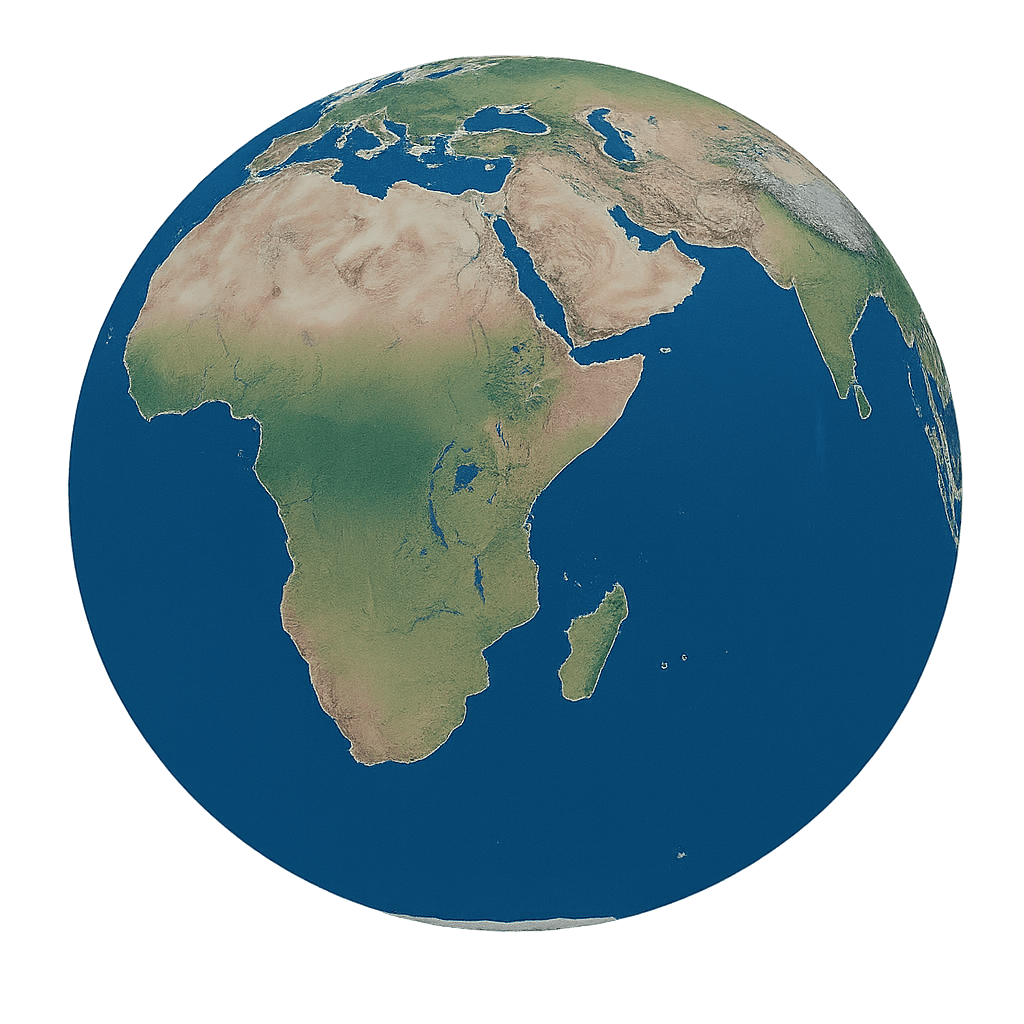
Violence Against Children: Four men were jailed for a combined 95 years after gang-raping a 13-year-old girl in Kontagora, Niger State, leaving her pregnant. Traditional Leadership & Peace: Etsu Nupe and the Niger State Council of Traditional Rulers urged Nigerians to intensify prayers for lasting peace and unity during Nupe Day in Bida. Cybercrime Crackdown: Kebbi State vowed to dismantle the “Yan Vocal” syndicate, alleging social-media hacking, fake identities, and blackmail/extortion targeting victims across borders. Security & Schools Under Threat: Reports say bandits razed a primary school in Dekara, Borgu LGA, Niger State, despite a ₦10m “protection levy” paid by residents. Governance & Accountability: SERAP urged Nigeria’s Senate President and Speaker to refer allegations of ₦6.3bn constituency project fund diversion for investigation and possible prosecution. Education Updates: NECO released 2026 BECE results for 186,291 candidates and scheduled July 22–23 resits for Maths and English. Women’s Rights: Nigeria won a UN CEDAW committee seat with 123 votes, boosting international visibility for gender equality efforts. Health & Human Capital: AHBN flagged community health gaps in Northern Nigeria, citing high maternal/child mortality and low immunisation as barriers to development. Water Access Data: A global map highlights where safe drinking water remains out of reach, underscoring the scale of the clean-water challenge.
AGP Executive Report
Your go-to archive of top headlines, summarized for quick and easy reading.
Note: AI summary from news headlines; neutral sources weighted more to help reduce bias in the result. Feedback is welcome. Please let us know if you have any comments or suggestions about the AGP Executive Report.
School Safety Under Fire: Bandits in Niger State allegedly burned down Dekara’s Central Primary School after residents paid a ₦10m “protection levy,” renewing fears that communities are being extorted and left unprotected. Kidnap Accountability: In Nigeria’s Oriire case, victims have now spent 40+ days in captivity, while questions grow over official claims and the networks enabling the abductions. Police Integrity: DIG Isyaku Mohammed says Nigeria Police will not recruit repentant terrorists, urging communities and leaders not to sign recommendation letters for criminals. Women’s Rights Diplomacy: Nigeria won a UN CEDAW seat with 123 votes, a boost for gender equality monitoring at global level. Education Updates: NECO released 2026 BECE results (186,291 candidates) and set July 22–23 for resits. Drug Crackdown: NDLEA Niger Command says it seized 10,127.84kg of illicit drugs and secured 173 convictions since 2025. Culture & Faith: Etsu Nupe urged Nigerians to embrace prayer and collective responsibility during Nupe Day celebrations. Sahel Politics: Burkina Faso severed diplomatic ties with France, citing sovereignty and alleged support for destabilising armed groups. Niger Focus: A commentary warns Niger’s ICC withdrawal could leave victims without a last-resort forum. Lifestyle Spotlight: MILO Basketball Western Conference crowned Davidhall International College and Ado Grammar School as champions heading to national finals.
School Safety Under Fire: Bandits in Niger State reportedly burned down Dekara’s Central Primary School after residents paid a ₦10m “protection levy,” raising fresh alarm over extortion and broken community deals. Police Recruitment Rules: DIG Isyaku Mohammed says Nigeria Police will not recruit “repentant” terrorists or criminals with records, warning community leaders not to sign recommendation letters. Rights & Gender Diplomacy: Nigeria won a UN CEDAW seat with 123 votes, a boost for women’s rights monitoring at the global level. Education Update: NECO released 2026 BECE results for 186,291 candidates and set July 22–23 for resits in key subjects. Culture & Craft: A new exhibition highlights embroidered traditions across Morocco to Afghanistan, showing how textile art carries identity and belief. Sahel Politics: France condemned Burkina Faso’s rupture and warned of reciprocal steps after Burkina Faso severed ties. Drug Control: NDLEA Niger Command says it seized 10,127.84kg of illicit drugs and secured 173 convictions since 2025. Community Peace Call: Niger State’s Etsu Nupe urged Nigerians to unite in prayer and collective action to tackle insecurity.
Peace & Prayer: Etsu Nupe and the Niger State Council of Traditional Rulers urged Nigerians to unite across ethnic and religious lines, saying peace is the base for development and calling for collective prayers to tackle insecurity. Education Results: NECO released the 2026 BECE results for 186,291 candidates and set July 22–23 for resits in key subjects. Women’s Rights Diplomacy: Nigeria won a seat on the UN CEDAW committee, a win framed as recognition of efforts to advance women’s rights. Drug Control: NDLEA Niger Command reported seizing 10,127.84kg of illicit drugs and securing 173 convictions since 2025. Child Protection & Trafficking: Police arrested two women in Niger State over alleged child trafficking and ritual-linked claims, rescuing four children aged 4–7. School Safety Shock: Bandits reportedly burned down a public primary school in Niger State after collecting a ₦10m “protection levy,” reigniting anger over protection failures. Sahel Politics: Burkina Faso severed diplomatic ties with France, citing sovereignty and alleged interference. Culture & Learning: A “Peace University” push led by African bishops aims to train future leaders for a terror-plagued region.

Niger Security & Rights: Niger’s military government has formally requested withdrawal from the International Criminal Court (ICC), raising fresh fears for victims of alleged abuses and the future of accountability in the Sahel. Gender & Representation: Nigeria was elected to the UN CEDAW committee, with Nigerien readers watching how regional politics and women’s rights advocacy keep gaining international seats. Child Protection: Niger State Police arrested two women over alleged child trafficking and ritual-related claims, rescuing four children aged 4–7 in Suleja. Drugs & Public Safety: NDLEA Niger Command says it seized 10,127.84kg of illicit drugs and secured 173 convictions from 2025 to date. Peacebuilding in the Sahel: Religious leaders in Niger joined a call for collective action to build lasting peace, with discussions also spotlighting media responsibility and community reconciliation. Education & Youth: NECO released the 2026 BECE results (186,291 candidates) and scheduled July 22–23 resits for Mathematics and English. Culture & Community: A Lokoja museum revival story highlights how Nigeria’s colonial-history sites can be reimagined for cultural rebirth. Lifestyle & Faith: A Niger-focused commentary argues for a united national day of prayer as insecurity deepens, reflecting how faith continues to shape everyday coping.
LGBTQ+ Rights & “Child Protection” Politics: A new global look at how governments scapegoat LGBT people—often claiming they’re “protecting children”—highlights widening pressure on schools and youth rights, including investigations and funding threats. School Safety & Kidnapping Fears: Nigeria’s police leadership says attacks on schools will soon end, pointing to a School Protection Unit and new protocols, as communities still report raids and arson. Education Results & Resit Dates: NECO released the 2026 BECE results for 186,291 candidates and approved a July 22–23 resit for Mathematics and English for students with conditional deficiencies. Food Security Debate: HURIWA sharply rejects claims that hunger is exaggerated, saying Nigerians “cannot eat roads” while cost-of-living pressures bite. Youth & Skills for Livelihoods: Nigeria and Niger State trained youths, women, and agripreneurs on hydroponic farming to boost income and women-led enterprise. Sahel Peacebuilding: Catholic bishops across West Africa are pushing a “Sahel Peace University” to train future leaders for peace in a terror-plagued region. Regional Currency Caution: Sanusi II urges ECOWAS to slow down the ECO push, warning a common currency needs strong economies and credible institutions first. Niger Security & Justice Moves: Niger begins steps to withdraw from the ICC, citing “selective justice” concerns.
Education & Youth: NECO has released the 2026 BECE results for 186,291 candidates across Nigeria and five foreign countries, and approved a July 22–23 resit for Mathematics and English for students with conditional deficiencies. School Safety: IGP Olatunji Disu says attacks on schools will soon end, pointing to a School Protection Unit and new protocols for school owners as Lakurawa fears rise. Sahel Peacebuilding: West African Catholic bishops are pushing a “Sahel Peace University” to train future leaders to tackle terrorism and violence, with interfaith partners included. Regional Diplomacy: Emir of Kano Sanusi II urges ECOWAS to reconcile with Niger, Mali and Burkina Faso, warning that their withdrawal has weakened security and integration. Security & Extremism: Chad police arrest Muslim Mohammed Yusuf, son of Boko Haram’s founder, alongside alleged jihadists, seen as a major blow to extremist networks. Lifestyle & Community Health: Clean cooking and drug-abuse awareness campaigns target public health and youth protection, while Niger’s widows’ welfare and empowerment efforts get renewed attention.
Education & Safety: Niger State police chief Olatunji Disu says a School Protection Unit and new protocols should curb attacks on schools and kidnappings, while DIG Isyaku Mohammed urges calm after fresh Lakurawa-related fears. Security in Niger State: Lakurawa fighters reportedly issued “social and religious directives” in Zugurma, including a ₦1,500 bride price cap and orders to marry girls above 15; separate reports say they attacked a Nigeria Immigration Service checkpoint on the Mokwa–New Bussa road and seized an AK-47. Community & Women’s Support: Niger government reiterates commitment to widows’ welfare and empowerment, calling for protection of rights and better livelihood opportunities. Culture & Faith: Ashura commemorations drew large mourning gatherings across Nigeria and Niger, including Niamey and Maradi. Energy & Lifestyle: Niger’s solar push is highlighted through major off-grid renewable projects—plus a Lagos mini-grid rollout—showing how cleaner power can reshape daily life. Governance & Rights: Niger’s move to withdraw from the ICC fuels debate on “selective justice,” while broader Sahel peace efforts aim to train future leaders to tackle terrorism.
Sahel Security & Community Life: Niger State is again in the spotlight as suspected Lakurawa fighters reportedly blocked the New Bussa road and attacked a Nigeria Immigration Service checkpoint in Zugurma, with residents also fearing fresh directives after the group allegedly ordered girls above 15 to be married off and set bride price at ₦1,500. Border Integrity & Corruption: In Borno, the ICPC partnered with immigration officials to curb illegal migration through border document processing, targeting corrupt practices in passport and travel checks. International Justice Politics: Niger has started the process to withdraw from the ICC, joining other countries accusing the court of “selective justice” and “anti-Africa bias.” Culture & Faith in Public Space: Ashura commemorations drew large gatherings across Niger and Nigeria, with mourning councils, lectures, and charity events in many cities. Women & Family Support: Niger reaffirmed its commitment to widows’ welfare and empowerment ahead of International Widows’ Day, calling for action against harmful practices. Health & Prevention: Niger State groups pushed for compulsory genotype testing before marriage to reduce sickle cell disease risk. Climate Pressure: Research warns climate change is worsening insecurity and displacement across the Lake Chad Basin, intensifying resource stress.
Terrorism & Justice: Nigeria’s DSS secured fresh terrorism convictions, including death sentences over the 2022 Owo church massacre and 20-year terms for relatives of slain bandit kingpin Kachallah Ibrahim Battujo, signaling a tougher line on both attackers and accomplices. US–Nigeria Counterterror Finance: The US blacklisted three Nigerian bureaux de change and their alleged owner over alleged ISWAP-linked money transfers, deepening Washington’s counterterror partnership with Abuja. Lakurawa Threats in Niger State: Suspected Lakurawa fighters reportedly preached extremist rules in Borgu communities, including a ₦1,500 bride price and orders that girls above 15 be married, while police leadership urged calm and intervention as attacks on checkpoints and roads were reported. Education Under Pressure: In Niger State, DIG Mohammed said mechanisms are active to protect schools after fears of renewed bandit attacks, as communities worry learning will be disrupted again. Widows’ Welfare: Niger’s women affairs ministry reaffirmed commitment to widows’ empowerment ahead of International Widows’ Day, calling for community and religious support to protect rights and livelihoods. Health & Family Planning: Niger State groups pushed for compulsory genotype testing before marriage to reduce sickle cell disease, urging regular care and informed decisions. Rights & Law: Niger’s military government criminalized homosexuality under a revised penal code, adding prison terms for same-sex acts and for those who officiate or help organize same-sex marriages.
Lakurawa in Niger State: Armed Lakurawa fighters reportedly stormed Zugurma and other Borgu communities, preaching extremist rules in broad daylight—ordering girls above 15 to be married off and setting bride price (sadaki) at ₦1,500—while residents fear a slow takeover of local life. Checkpoint attack: The same group allegedly attacked a Nigeria Immigration Service checkpoint on the Mokwa–New Bussa road at Zugurma, overpowering officers and making away with an AK-47, as police said the situation was brought under control. Anti-LGBTQ crackdown: Niger’s military government criminalised homosexuality for the first time, with prison terms up to 10–20 years for acts around same-sex marriage, and reports of a wider crackdown already underway. Community security push: In Sokoto, police leadership urged traditional rulers, religious leaders, youths and community groups to strengthen vigilance and intelligence sharing, warning that insecurity can’t be beaten by security agencies alone. Health & family planning: Niger State women’s groups called for compulsory genotype testing before marriage to reduce sickle cell disease, urging regular check-ups and better care for affected children. Culture & faith: Ashura commemorations drew large mourning gatherings across Nigeria and Niger, with lectures, processions and charity.
Security & Community Safety: In Sokoto, Nigeria’s DIG Suleiman Mohammad Abdul urged traditional rulers, religious leaders, youths and community groups to take ownership of security against banditry, stressing vigilance, intelligence sharing and closer collaboration with police—especially given Sokoto’s border with Niger Republic. Public Safety & Kidnapping Fallout: Reports from Kwara say bandits kidnapped an OPC leader, Chief Bayo Fabiyi, and two others during a ransom delivery trip, after the intended target was reportedly already killed. Health & Daily Life Risk: A global health story highlights rising snakebite risk as the world warms, with poison centers seeing more calls during rainy seasons. Human Rights in Niger: Niger’s military government criminalised homosexuality under a revised Penal Code, with prison terms for same-sex acts and penalties for organising or supporting same-sex marriages—sparking regional concern. Education Under Pressure: In Nigeria, rumours of school attacks in Niger State (Minna and surrounding areas) triggered panic, school closures and sharp attendance drops, even after security debunked claims. Youth & Skills: The World Bank convened West and Central Africa youth dialogues, with Niger focusing on AI and digital skills to tackle youth unemployment.
LGBTQ+ Rights in Niger: Niger has criminalised same-sex intimacy under a newly codified penal code, with reports of a crackdown and penalties up to 20 years—another hard turn for rights and public freedoms. Terror & Education Under Siege: In Nigeria’s Oyo State, security forces say they’ve tightened the noose around the forest hideout holding 39 abducted schoolchildren and teachers; kidnappers reportedly shifted from releasing jailed leaders to ransom demands. Extremist Propaganda in Niger State: Lakurawa terrorists reportedly stormed Niger State communities, preaching openly and threatening attacks if residents refuse to comply. Sahel Security Tactics: Mali has cleared vegetation around key routes and declared forests “off-limits” to civilians, aiming to cut jihadist ambush bases. Youth & Skills for Jobs: The World Bank convened West and Central African youth dialogues, with Niger focusing on AI and digital skills to tackle the education-to-work gap. Culture & Identity: A feature explains the Imazighen/Amazigh people—indigenous communities across North Africa and the Sahel, including Niger—seeking recognition for language and heritage. Climate Vulnerability: UNICEF reports show children in India face extreme heat, drought, and multiple climate hazards, highlighting how early-life risk stacks up across countries. Politics & 2027 Anxiety: An APC chieftain in Niger State warns that delays and tensions around primaries could trigger political crisis ahead of 2027.
APC Politics in Niger State: Former APC commissioner Jonathan Vatsa warns that delayed primary results could trigger a “mother of all crises” inside the ruling party ahead of 2027, blaming the judiciary and INEC for possible political turmoil. LGBTQ+ Rights Crackdown: Niger’s new Penal Code is reported to explicitly criminalise same-sex intimacy and “LGBTQIA+ practices,” with heavy prison terms and fines, amid reports of a broader crackdown. Sahel Security & Jihadist Tactics: In Mali, the army clears forest vegetation and declares parts of parks and forests “off-limits” to civilians, saying jihadists use them as bases for attacks. Airport Terror Condemnation: The Sahel Solidarity Campaign Network condemns the Diori Hamani International Airport attack in Niamey, extending condolences and calling for the eradication of terrorism. Education Under Fear: Rumours of bandit attacks on schools in Niger State (Minna and surrounding areas) sparked panic, reduced attendance, and disrupted learning even after security agencies debunked claims. Kidnapping Rescue Efforts (Oyo): Security operations intensify around a forest hideout in Oriire LGA as hopes rise for the release of abducted schoolchildren and teachers; demands are reportedly shifting toward ransom and partial releases. Culture & Faith: Ashura mourning gatherings reportedly expand across hundreds of cities, including Niamey, blending religious teaching with community activities. Lifestyle Note (Marriage): A NAN managing director advises a Niger couple to build lasting homes on love, forgiveness, communication, and faith.
2027 Election Tensions: APC chieftain Jonathan Vatsa warns Nigeria could slide into anarchy ahead of the 2027 polls, blaming the judiciary and INEC’s “body language” and pointing to delays in announcing primary results as a “time bomb.” LGBTQ+ Rights Under Pressure: Niger’s new penal code explicitly criminalizes same-sex relations, with activists and observers linking the move to a wider hardening of authoritarianism and a regional wave of anti-LGBTQ laws across West Africa. Youth Civic Push: Activist Hamzat Lawal urges young Nigerians to go beyond voting and take sustained roles in leadership, accountability, and governance—sharing how youth pressure helped unlock action after the Bagega lead poisoning crisis. World Refugee Day, Sports for Hope: A refugee-themed football friendly in Madrid spotlights displaced people’s resilience and calls for visibility and integration. Faith & Community Life: Ashura commemorations draw large gatherings across Nigeria and Niamey, blending mourning with cultural and social activities. Marriage Advice: NAN’s managing director tells a couple that love, forgiveness, and faith should guide a lasting home. Disability-Inclusive Climate Action: Stakeholders call for disability-sensitive early warning systems and disability-disaggregated data so PWDs aren’t left out of climate preparedness.
Security & Community Action: Former Nigerian Head of State Abdulsalami Abubakar urged a united nationwide front against insecurity, saying citizens must share local intelligence and demand better coordination across security agencies and all government tiers. Climate Resilience & Inclusion: Stakeholders called for disability-sensitive early warning systems in climate action, pushing for disability-disaggregated data so women and girls with disabilities are not left out of disaster planning. Religious Life in Niger & Nigeria: Ashura commemorations are drawing large crowds across more than 400 cities and regions, including Niamey and Maradi, blending mourning with cultural and social activities. Kidnapping Aftermath in Kwara: A village head in Kwara said 176 women and children abducted months ago remain in captivity, with no official updates from either terrorists or government. Culture & Family Values: A NAN managing director advised a couple to build lasting marriage through love, forgiveness, and faith. Niger in Focus: The Muslim Council of Elders condemned the Niger airport terror attack and called for stronger action against extremist ideologies.
Hostage Update in Kwara: Village head Umar Bio Salihu says 176 Kwara women and children abducted by terrorists in February remain in captivity with no official communication on what’s needed for their release, while most residents have returned to normal. Rising Insecurity in Kaduna: The Birnin Gwari Emirate Progressives Union warns of renewed bandit attacks, farmland invasions, and intimidation, urging urgent government action to stop violence from reigniting conflict. Niger Airport Attack Condemned: The Muslim Council of Elders condemns the Niamey airport terror attack and calls for decisive action against violent groups, alongside stronger efforts against hate speech. Faith & Family Life: NAN’s managing director tells a Niger State couple that love, forgiveness, and fear of God are key to lasting marriage, urging couples to communicate and avoid third-party interference. Hijrah Holiday Praise: MURIC commends Niger and other states that declared Hijrah public holidays as promoting freedom of religion. Refugee Day Context: A World Refugee Day brief highlights the scale of refugees and internally displaced persons worldwide, stressing that many never cross borders. IsDB Meets Niger: IsDB Group chairman reaffirms development partnerships with Niger, focusing on education, agriculture value chains, infrastructure, and dialogue on the Kandadji Dam. Culture & Poetry: Sharjah’s Arab Poetry Forums will tour nine African countries including Niger, promoting Arabic poetry and emerging talent. Anti-LGBTQ Laws Watch: A regional roundup notes new anti-LGBTQ legislation across West Africa, with activists citing political and religious drivers. Lifestyle Note: A wedding Fatiha in Niger State draws community leaders and officials, reinforcing local religious and cultural marriage guidance.
Hausa Language Journey: A new cultural feature traces the path from Kumasi’s Longonto House in the Zango community to the University of Ghana, Legon, where a Certificate in Hausa Language Proficiency is taking root—showing how community broadcasting and language pride can become academic milestones. Wildlife & Beliefs: Researchers in Chad warn that demand for vulture parts linked to luck and protection beliefs in West Africa is driving cross-border declines, with field encounters revealing how trapping methods can spread through everyday local advice. Oil & Security: Nigeria’s crude output is reported to have edged above its OPEC quota, with Pipeline Infrastructure Nigeria Limited crediting improved pipeline security, community engagement, and reduced oil theft. Reintegration & Peace Debates: Borno State’s reintegration plan for repentant men, their spouses, and children is drawing strong reactions as officials frame it as a non-kinetic success model. Niger Airport Attack Prophecy: In Niger Republic, an airport attack that killed soldiers and civilians is being linked by some to a prior prophecy by Primate Ayodele, reigniting debate over faith and security. LGBTQ Crackdowns: A wider West Africa trend continues as Niger criminalizes LGBTQ activity under a new penal code, adding to a growing wave of anti-LGBTQ laws across the region. Culture & Diplomacy: Sharjah’s Arab Poetry Forums will tour nine African countries this year, including Niger, spotlighting poetry, literary exchange, and emerging talent.
Security Training: Ghana’s GAFCSC urged young officers to stay professionally ready for fast-changing threats as terrorism, violent extremism, and humanitarian crises strain peace across Africa. Port & Jobs: Ghana’s GPHA says the new Keta port headquarters will be fully operational by January 2027 after scope changes and construction deficiencies were flagged. Diplomacy in Focus: Nigeria’s Prof. Mahmood Yakubu arrived in Qatar to begin his ambassadorial duties, welcomed by a large African diplomatic group including Niger’s envoy. Niger’s LGBTQ Law: Niger criminalized LGBTQIA+ acts under a new penal code effective June 11, with penalties up to 10 years and fines, adding to a wider West African anti-LGBTQ wave. Culture & Faith: Leprosy Mission Nigeria plans livelihood support for 2,000+ inmates and vulnerable groups across northern states, blending skills with climate-resilient farming. Lifestyle & Sports: Ex-NPFL star Abu Ali was unveiled as Sporting Director of More Grace FC, linking youth football development with international scouting pathways. Religion & Prophecy: A Niger airport attack was linked by Primate Ayodele to earlier prophecies warning of major attacks and economic damage.
Niger’s LGBTQ crackdown: Niger’s new penal code criminalizes LGBTQIA+ activity, with penalties of up to 10 years in prison and fines, taking effect June 11—another blow in a wider West African wave of anti-LGBTQ laws. Public health push in Niger State: Niger State launched a measles-rubella vaccination campaign across 25 local government areas, targeting children under five with community outreach and mobile clinics to reach remote areas. Culture & literature ties: Sharjah’s Department of Culture will host the 5th Arab Poetry Forums across nine African countries, including Niger, promoting Arabic poetry and youth talent through readings and cultural exchanges. Digital finance for daily life: A new focus on Niger’s fintech challenge frames digital money as a development tool—helping people pay, save, and support small businesses despite distance and limited infrastructure. Sahel faith and community: Bishops from Burkina Faso and Niger reaffirmed support for peace and Small Christian Communities, urging stronger pastoral work amid security pressures. Security pressure across the region: Niger and neighbors remain in the spotlight as insecurity and kidnappings dominate regional headlines, with calls for stronger emergency action and reforms.
Sign up for:
Niger Lifestyle Journal
The daily local news briefing you can trust. Every day. Subscribe now.
Check Your Email!
We sent a one-time activation link to: .
Confirm it's you by clicking the email link.
If the email is not in your inbox, check spam or try again.
Welcome back!
is already signed up. Check your inbox for updates.